
Executive Summary: The 5 best day trading books for beginners are How to Day Trade for a Living (Andrew Aziz) for execution workflows, A Beginner’s Guide to Day Trading Online (Toni Turner) for order mechanics, Technical Analysis of the Financial Markets (John J. Murphy) for chart reading, Trading for a Living (Alexander Elder) for risk psychology, and Mastering the Trade (John F. Carter) for volatility setups.
What can beginners learn from day trading books?
Day trading books can explain how markets operate, introduce common setups, and help traders build a structured decision-making process. They cannot provide a complete trading system that works automatically across every instrument, timeframe, and market condition.
Day trading books generally cover different aspects of how active trading works:
- Preparation before trading sessions, including how to observe opportunities and decide when to participate
- Understanding basic market language, how orders are placed, and how to read price movement on charts
- Developing awareness of how different market forces can influence price behavior
- The importance of mindset, discipline, emotional control, and staying consistent under pressure
- Learning how to review past decisions to understand what worked and what did not
- Building consistent conditions for when to take or avoid a trade based on clear reasoning
Across these books, common themes include recognizing opportunities, planning trading entries and exits in a structured way, maintaining emotional stability, and improving through regular self-review.
Beginners benefit most from focusing on understanding how decisions are made, how to stay consistent in their approach, and how to evaluate their actions over time.
The 5 Day Trading Books at a Glance
These five books were selected because, together, they introduce five areas beginners need to understand: trade execution, trading psychology, technical analysis, market structure, and risk management. Each book contributes a different perspective, so “best” refers to their combined educational value rather than a universal ranking.
| Book | Author | Main focus | Best for | Important limitation |
| How to Day Trade for a Living | Andrew Aziz | Momentum execution, VWAP, scanners, and trade planning | Beginners interested in active intraday stock trading | Level 2, VWAP, and chart patterns should not be treated as standalone signals |
| A Beginner’s Guide to Day Trading Online | Toni Turner | Orders, charts, terminology, and market basics | Complete beginners | Some regulatory, platform, and market references require updating |
| Technical Analysis of the Financial Markets | John J. Murphy | Trends, patterns, indicators, and intermarket analysis | Traders building technical-analysis literacy | Dense and not designed as a complete execution plan |
| Trading for a Living | Alexander Elder | Psychology, trading methods, risk, and journaling | Beginners developing risk discipline | Some indicators and examples reflect older market conditions |
| Mastering the Trade | John F. Carter | Volatility compression, correlation, and structured setups | Traders interested in indicator-based methods | Setups require independent testing and should not be treated as complete systems |
A Closer Look at the 5 Best Day Trading Books
1. How to Day Trade for a Living by Andrew Aziz: VWAP and Momentum Workflows
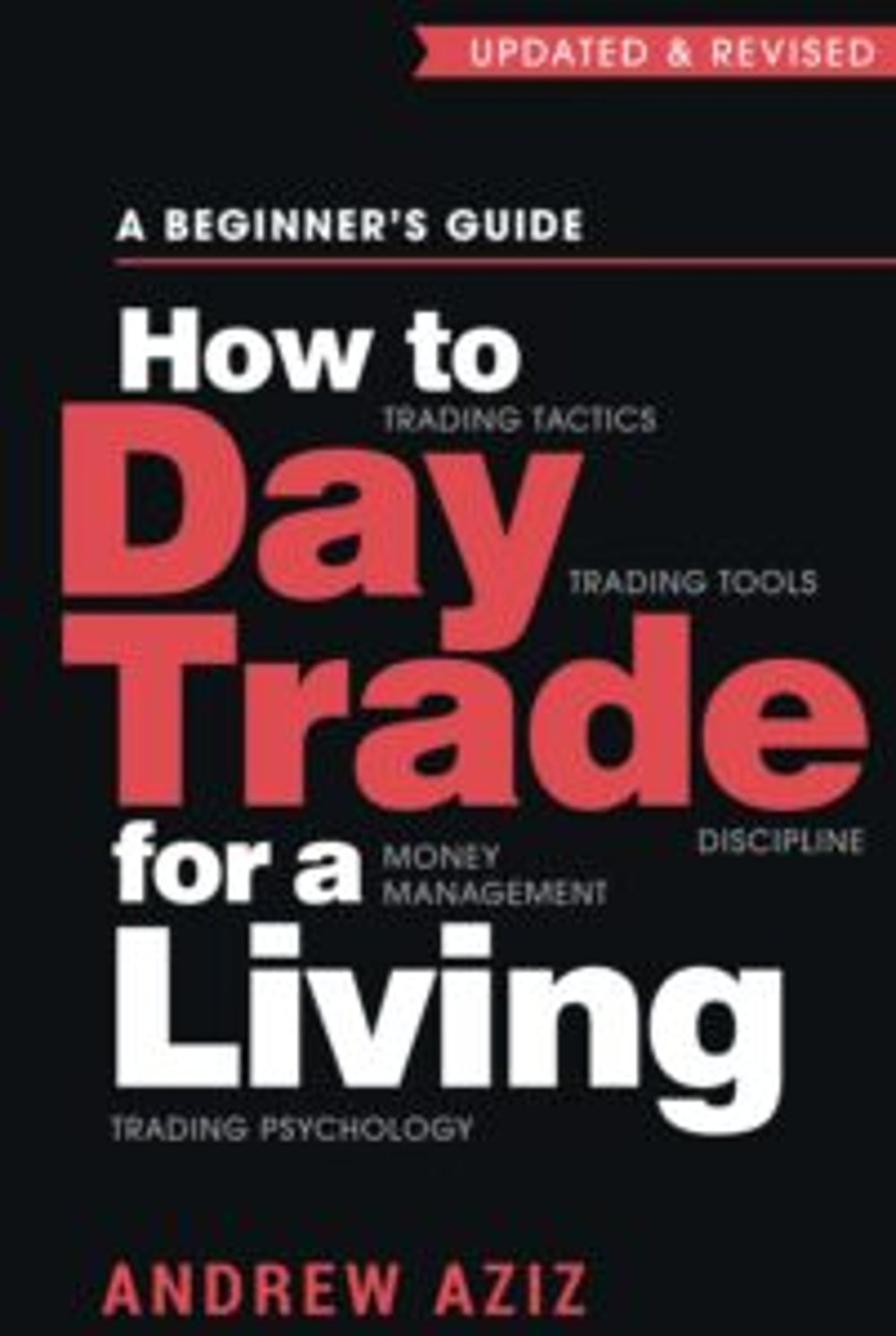
Andrew Aziz’s How to Day Trade for a Living introduces the daily workflow of an active day trader. The book is particularly useful because it connects individual tools to an operating process. Instead of presenting chart patterns in isolation, it explains how traders can prepare a watchlist, identify active stocks, plan a trade, control risk, and review the result.
VWAP (Volume-Weighted Average Price) is one of the book’s central reference points. It represents the average price of an asset during the session, weighted by trading volume (total shares traded in the period). Traders may use it to assess whether price is trading above or below the session’s volume-adjusted level.
The book briefly introduces Level 2 market data, which shows bid and ask prices across different price levels in the order book. It is useful for understanding liquidity and order flow context, but it changes rapidly and should not be treated as a direct trading signal.
- Best for: Beginners interested in momentum stocks, VWAP-based analysis, and the practical workflow of intraday execution.
- What remains useful: Pre-market preparation, trade planning, risk control, journaling, and evaluating trades as part of a repeatable process.
- What requires updating: Platform features, scanner configurations, commissions, market-data products, and regulatory references should be checked against current broker policies. Level 2 workflows also require modern context because high-frequency trading, algorithmic order placement, rapid cancellations, and dark-pool activity can make displayed liquidity less stable or complete than it appears.
2. A Beginner’s Guide to Day Trading Online by Toni Turner: Market Mechanics and Order Types
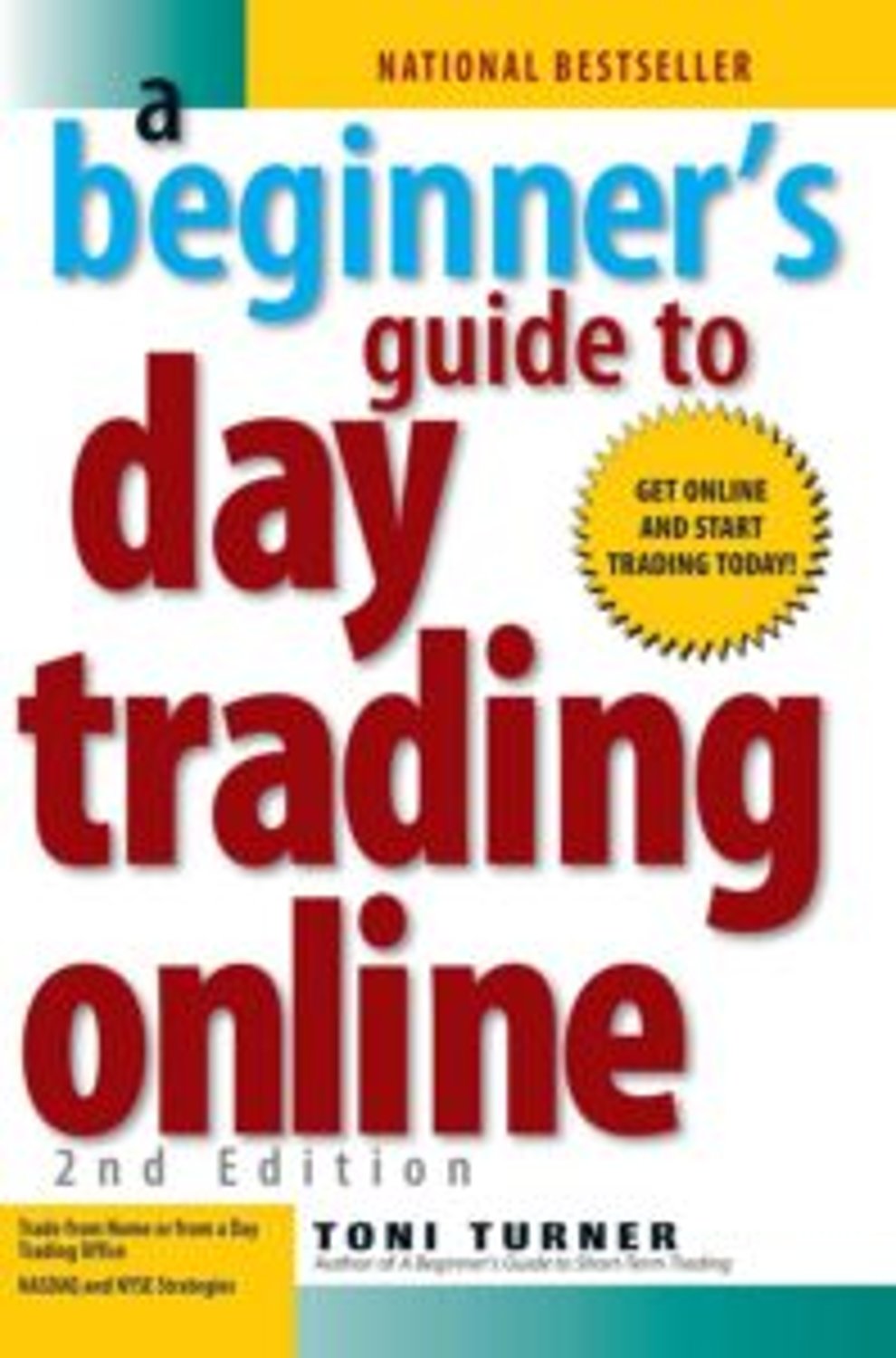
Toni Turner’s A Beginner’s Guide to Day Trading Online provides an accessible introduction to the language and mechanics of active trading. It explains charts, order types, trade preparation, and the basic structure of a trading session.
The book is most valuable for readers who do not yet understand terms such as bid, ask, or market order. These concepts must be understood before a trader can evaluate more advanced strategies.
Turner also introduces the relationship between broader market conditions, sectors, and individual securities. A stock may have a technically valid pattern but still be influenced by the direction of its sector or the overall market. That context can help a trader avoid treating every chart as an isolated setup.
- Best for: Complete beginners who need a clear introduction to market terminology, charts, and order mechanics.
- What remains useful: Basic order knowledge, chart interpretation, planning, and the relationship between individual securities and broader market conditions.
- What requires updating: Broker interfaces, commission structures, settlement procedures, margin rules, and software references may have changed since publication.
3. Technical Analysis of the Financial Markets by John J. Murphy: Chart Patterns and Technical Grammar
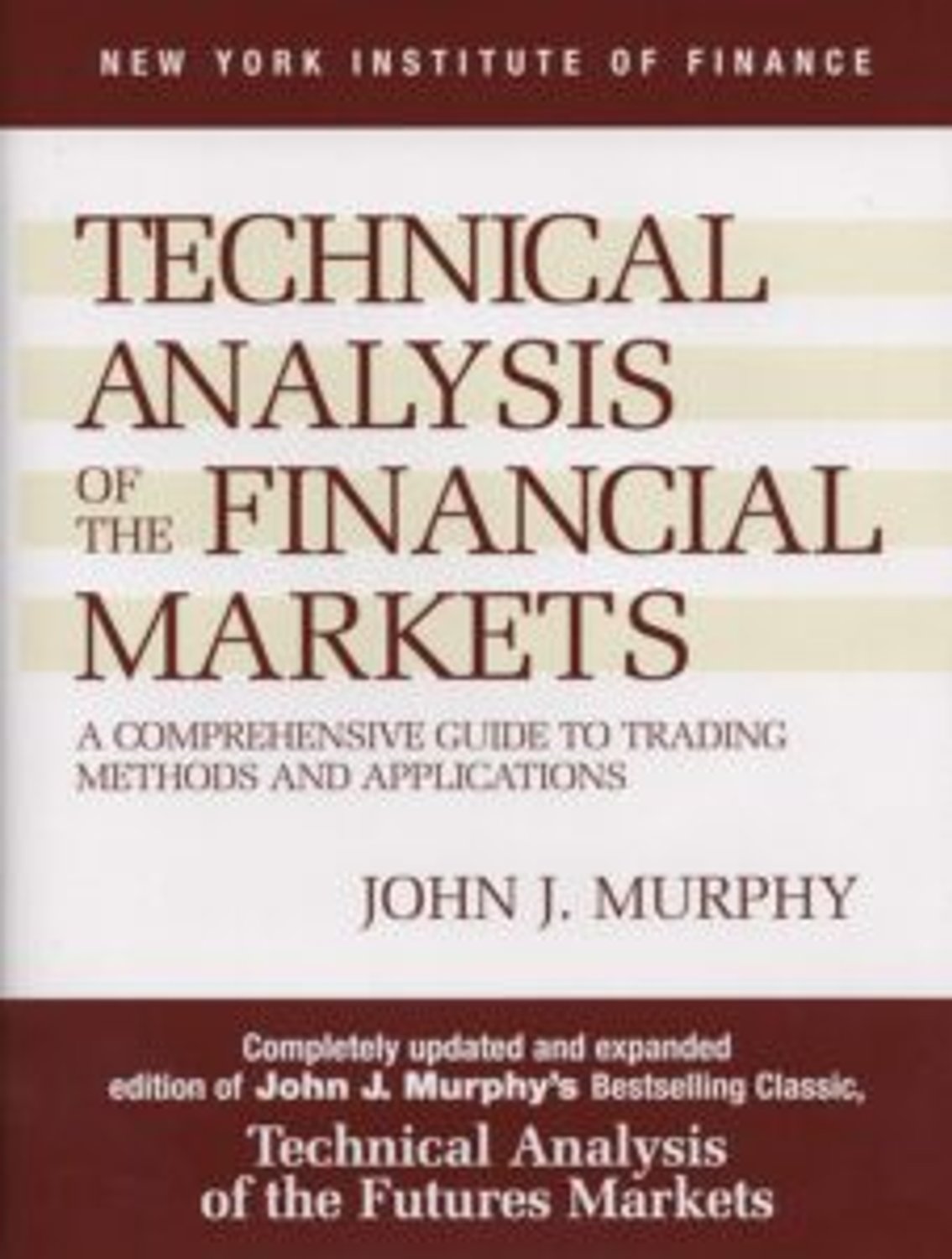
John J. Murphy’s Technical Analysis of the Financial Markets is a comprehensive reference covering trends, support and resistance (price levels where buying or selling pressure may affect price movement), chart patterns, volume, market cycles (recurring market phases), and intermarket analysis (the study of relationships between different asset classes).
The book is not limited to day trading. Its value comes from teaching the vocabulary and analytical structures used across multiple trading styles and timeframes.
Murphy’s discussion of trend analysis helps traders distinguish between an established directional move and short-term price noise. His work on support, resistance, and pattern recognition provides a framework for identifying areas where market behavior may change.
The intermarket sections explain how equities, bonds, commodities, currencies, sectors, and broader indexes can move in relation to one another. These relationships are not fixed trading signals, but they can provide context for an individual instrument.
- Best for: Traders who want a detailed technical-analysis reference rather than a short strategy manual.
- What remains useful: Trend structure, support and resistance, volume analysis, indicator construction, chart patterns, and intermarket context.
- What requires updating: Modern electronic markets move faster, execution is more automated, and widely followed chart levels can attract substantial activity. Patterns should therefore be evaluated with current price, volume, liquidity, and volatility conditions.
4. Trading for a Living by Dr. Alexander Elder: Risk Management and Psychology

Alexander Elder’s Trading for a Living organizes trading around three connected areas: Mind, Method, and Money. This framework emphasizes that market analysis, psychology, and risk management must operate together.
Elder’s behavioral perspective helps explain why traders may abandon a plan after losses, overtrade during emotional periods, or increase risk after short-term success. The book treats these behaviors as operational problems that should be addressed through written rules and review procedures.
Its risk-management principles are especially useful for beginners, such as sizing a position based on the maximum acceptable loss if the stop is triggered. This approach relies on risk rather than confidence in the trade. The book also emphasizes maintaining records so traders can distinguish between strategy problems and execution problems.
The Triple Screen system uses multiple timeframes or analytical filters to evaluate a potential trade. The broader principle remains useful, but beginners may find that processing several indicators and timeframes creates complexity.
- Best for: Beginners who need to connect trading psychology, strategy selection, risk management, and journaling.
- What remains useful: Position-sizing discipline, predefined exits, performance records, and the separation of analytical, behavioral, and financial risk.
- What requires updating: Some indicators, examples, and market references reflect an earlier trading environment. Current instruments, software, and execution conditions should be considered when applying the framework.
5. Mastering the Trade by John F. Carter: Volatility Squeeze and Market Correlations
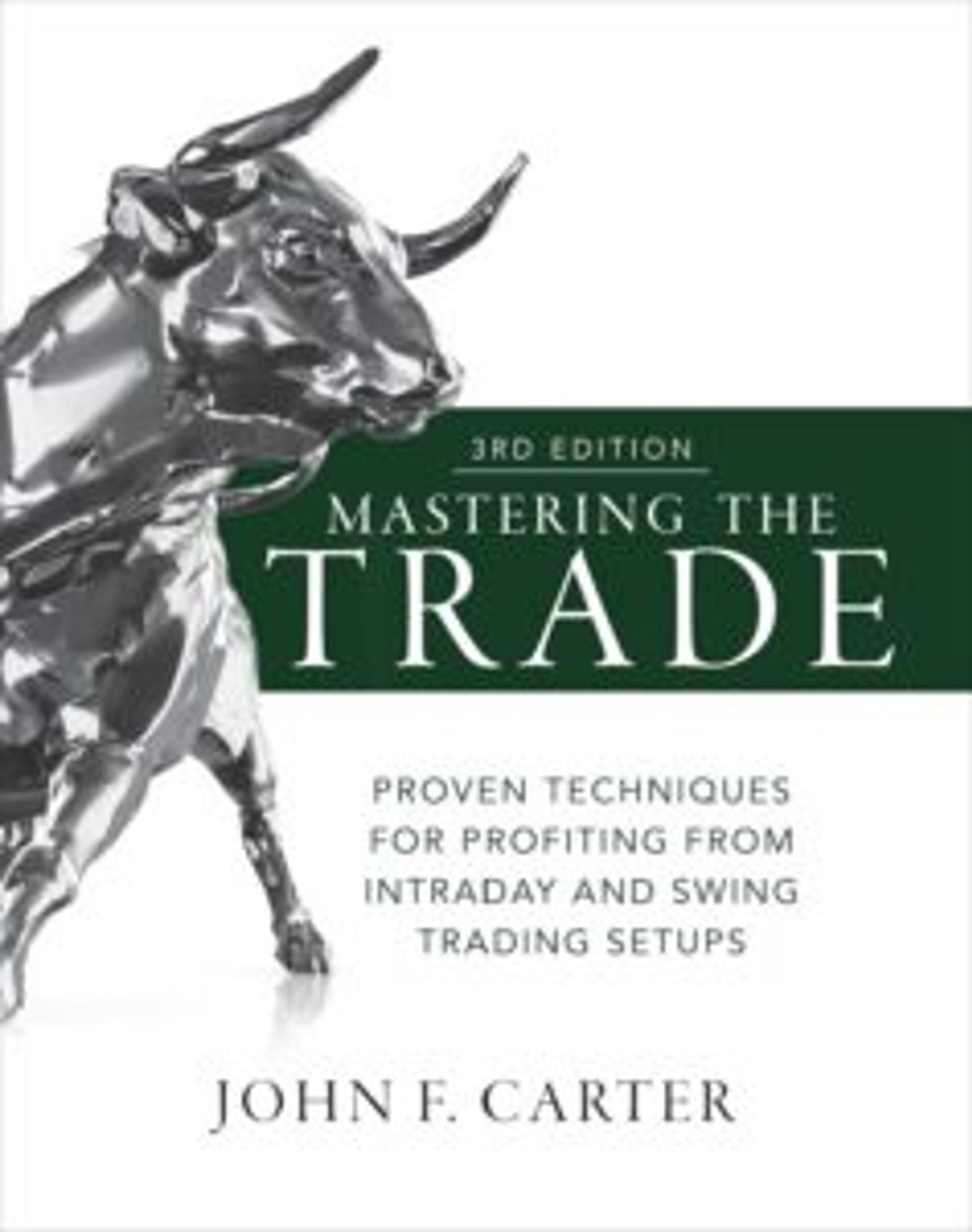
John F. Carter’s Mastering the Trade focuses on structured intraday and swing-trading setups, including volatility compression (period of low volatility), market relationships, and position management.
One of its best-known concepts is the Squeeze, which is designed to identify periods when volatility contracts. The underlying idea is that low-volatility periods may be followed by expansion. However, the indicator does not determine the direction, timing, or size of the next move with certainty.
The book also examines how related markets, sectors, and indexes can provide context. Sector correlation can help a trader compare the behavior of an individual stock with its industry group or broader index, but correlation can weaken or change over time.
- Best for: Traders interested in volatility-compression setups, indicator-based analysis, and relationships between markets.
- What remains useful: Defining setups in advance, examining volatility conditions, monitoring related instruments, and planning trade management before entry.
- What requires updating: Indicator settings, platform tools, data feeds, and market behavior should be tested under current conditions. A default configuration should not be assumed to work equally well across every instrument.
How to Choose the Right Day Trading Book?
The right starting point depends on the trader’s current knowledge gap.
- A complete beginner may benefit from starting with Turner before moving to Aziz or Elder. Turner establishes the terminology needed to understand how orders, charts, and market structure interact.
- A trader who already understands market mechanics but lacks risk discipline may gain more from Elder.
- Someone developing a technical-analysis vocabulary may use Murphy as a long-term reference rather than reading it as a step-by-step strategy manual.
- Carter is more suitable when the trader is ready to test a specific setup with objective rules.
- Aziz is a practical choice for readers interested in intraday stock selection, momentum, and VWAP, provided the setups are tested independently.
Books should also be supplemented with current market data, paper trading or simulators, replay tools, platform documentation, and a structured trade journal. These resources allow traders to test ideas under present market conditions and review whether their execution followed the intended rules.
The objective is not to finish the largest number of books. It is to identify one useful principle, translate it into a measurable rule, test it in a simulated environment, and determine through structured review whether it improves execution.
Final Thoughts
The principles in these books should be treated as frameworks rather than complete trading systems. As traders move from foundational education into real application, some choose traditional brokerages, where they trade with their own capital, while others use prop firm programs that may involve simulated evaluations, simulated performance accounts, or live trading with firm capital. These programs can provide structured rules and risk limits, but their account models vary by provider.
Traders can apply concepts from trading books while participating in evaluation programs such as Apex Trader Funding. These programs provide defined rules and risk limits for testing a trading approach, but evaluation conditions may not represent live-market trading. Traders should review the specific account structure and current program rules before participating.
Disclaimer: Day trading involves substantial risk and may not be suitable for every trader. Books, indicators, simulations, and risk controls cannot eliminate losses or guarantee future results. Traders should assess their financial circumstances and review current broker, exchange, and prop firm account rules before participating.
Frequently Asked Questions
Are older day trading books still relevant?
Yes. Core principles involving risk management, market psychology, discipline, and technical analysis remain useful. However, older discussions of market access, technology, commissions, and execution should be supplemented with current platform documentation and market data.
Which day trading book should a beginner read first?
A complete beginner may start with Toni Turner to learn essential terminology, order types, charts, and market structure. Readers who already understand these basics can choose a book focused on their main gap, such as strategy execution, psychology, or risk management.
Are day trading books enough to learn trading?
No. Books provide concepts and frameworks, but traders should also use current market data, paper trading, replay tools, and structured trade reviews. Any strategy from a book should be updated for current market conditions, costs, technology, and the instrument being traded before real capital is risked.